


Design student visits with purpose
Posted by Kumari Juddoo. Last updated: October 31, 2026
Authentic learning immerses students in meaningful and engaging activities and is experiential and discursive.
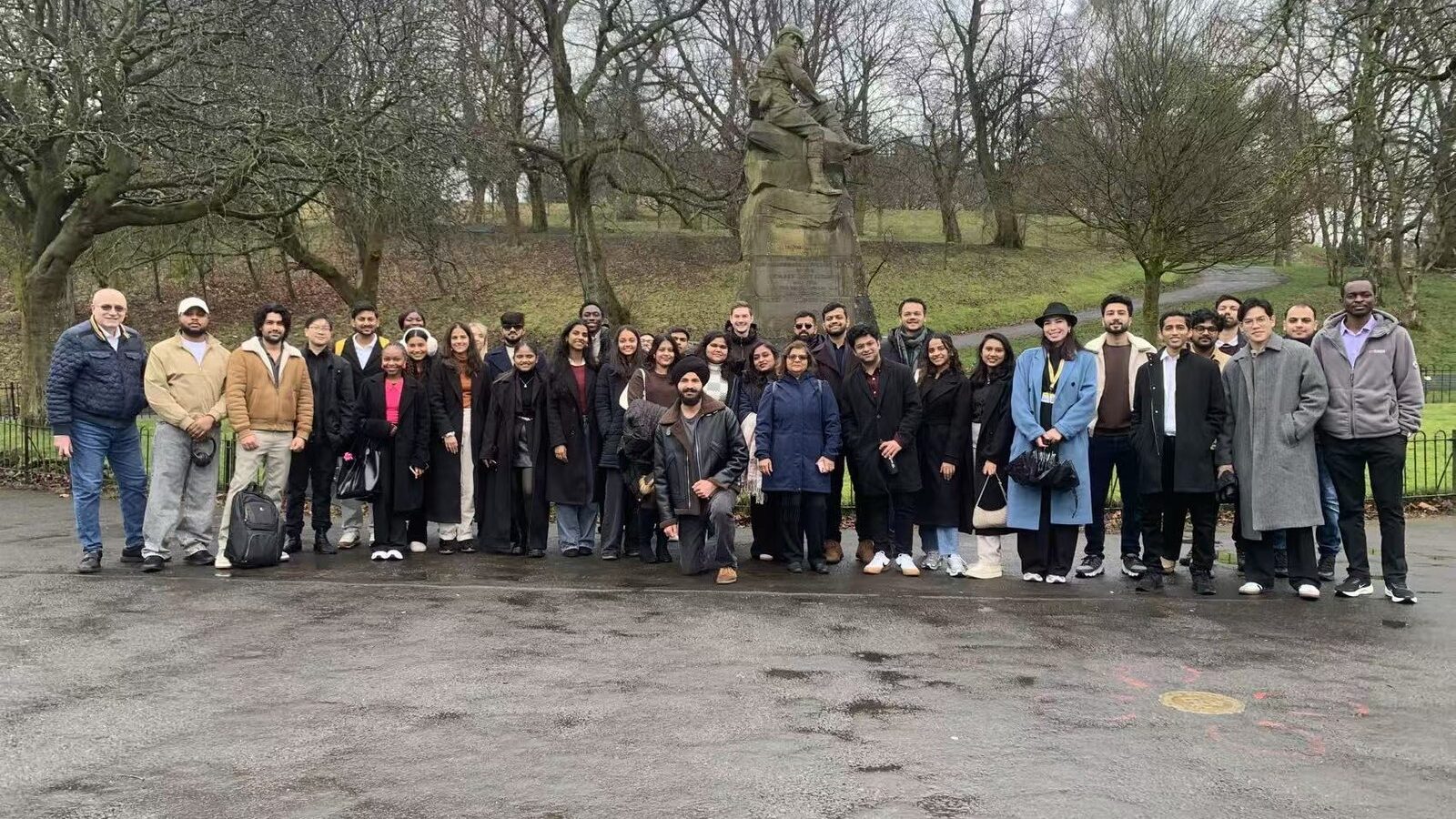
At the University of Westminster School of Accounting, Finance and Economics (SAFE), we believe that student success extends far beyond lectures and seminars. Well-designed opportunities, such as student residential and day trips, can help students connect with industry professionals and engage with employers, but they can also help to build friendships, develop confidence and strengthen their sense of belonging. This was the rationale behind our postgraduate educational visits to Glasgow, which the university’s Student Experience Fund supported.
The visits had two connected objectives: strengthening students’ sense of belonging and supporting graduate outcomes. Colleagues wanted students to engage directly with employers, explore different career pathways and develop relationships with peers beyond their usual classroom groups. This approach reflects the university’s emphasis on authentic learning through meaningful, experiential and discursive activities, and also recognises its commitment to an inclusive student community.
In 2025, we took 17 students from one postgraduate programme to visit the Association of Chartered Certified Accountants headquarters in Glasgow.
The visit included an employability session focused on interview preparation, career development and employers’ expectations of accounting and finance graduates. Students participated in mock interviews and received feedback on their communication, confidence and presentation skills. Students also heard from a senior auditing and assurance manager at Deloitte about the qualities employers seek in prospective graduates.
The mock interview session really helped me understand what employers are looking for. I now feel more confident speaking about my skills and experiences during interviews.
Student feedback illustrates the importance of combining professional exposure with opportunities to practise and receive constructive feedback. Meeting employers raises students’ awareness of career possibilities, while practising interviews in a supportive environment allows them to begin translating that awareness into action. The visits also support the broader aims of the TEF (Teaching Excellence Framework), which considers how higher education supports students to progress beyond their studies.
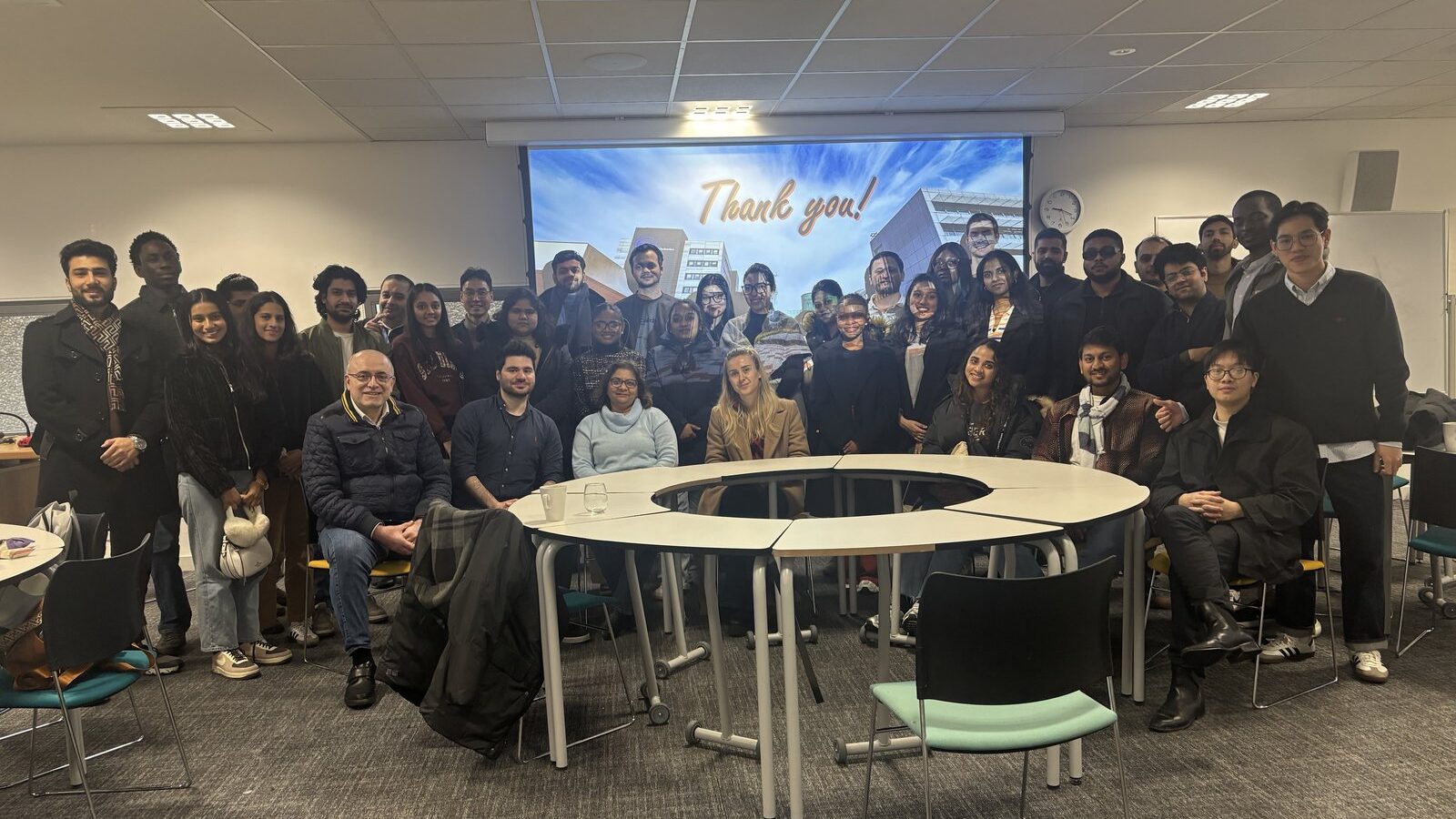
In 2026, we brought together postgraduate students from across the school’s programmes. Forty students attended, representing approximately 62% of postgraduate students in the wider group.
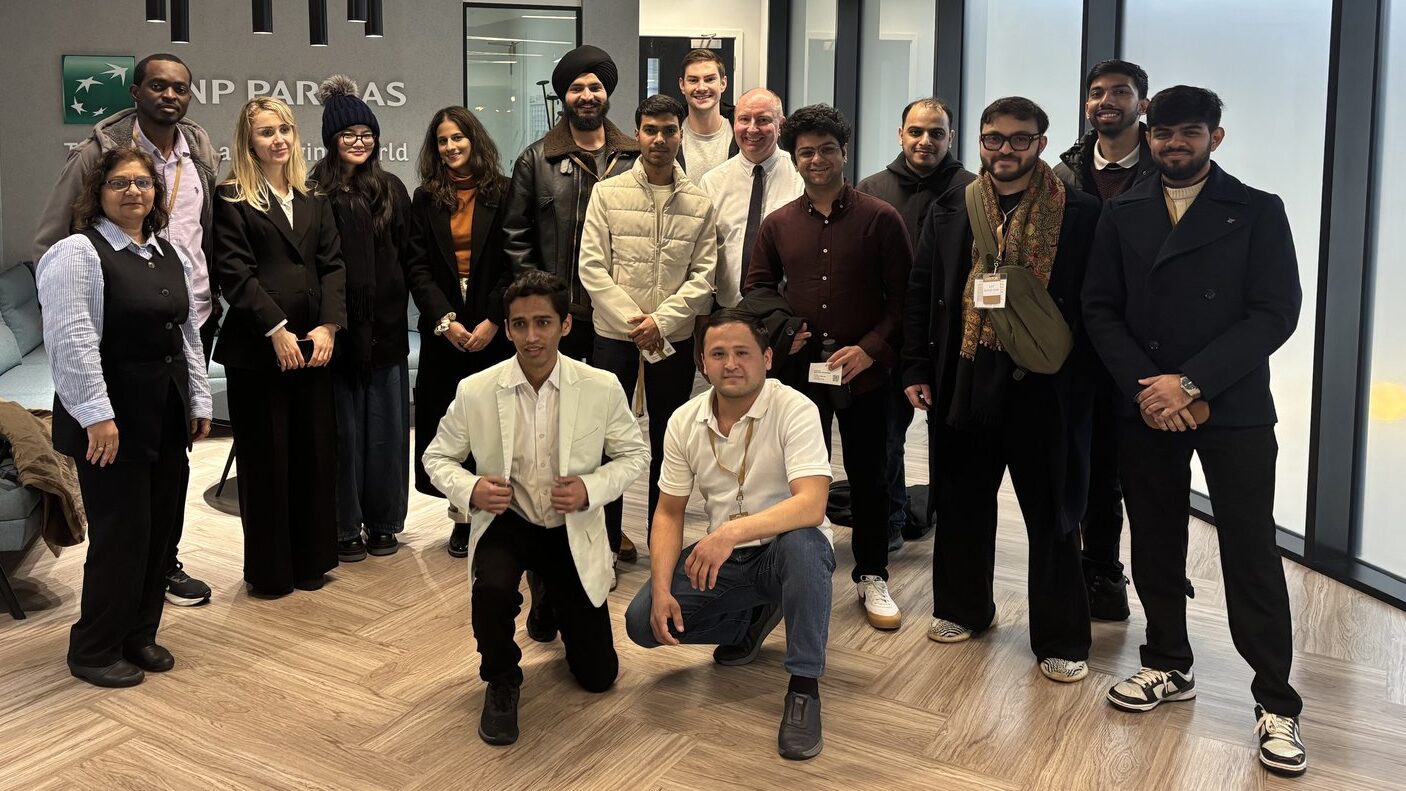
We visited BNP Paribas, a leading financial institution, where their technical accounting specialist provided valuable insight into the various pathways available in the banking and finance sector and highlighted that there is no single route to success. One of the most inspiring parts of the visit was hearing directly from three recently recruited employees who had entered the organisation through different routes (apprenticeship, ACCA and graduate route). Their experiences gave students practical, hands-on insight into career progression and workplace expectations. They appreciated hearing authentic stories from young professionals who had recently been in similar positions themselves.
The visit improved my understanding of the skills employers value most, especially communication, adaptability, and professionalism.
Building a sense of belonging
The visits were not just about employability skills. Shared meals and team games created informal opportunities for students to socialise, communicate and get to know peers from different backgrounds and programmes.
The trip helps me build friendships and feel part of the cohort, which makes a huge difference to feeling included and supported.
To strengthen impact and evaluation, future visits could include short pre- and post-visit questionnaires asking students about their confidence in discussing their skills, their awareness of career pathways, and their sense of connection with their cohort. We could also gather feedback on which activities students found most valuable and follow up to explore whether they subsequently used the interview guidance, pursued networking opportunities or maintained relationships developed during the trip. This would help us move beyond immediate impressions towards a more structured understanding of the educational and social value of the visits.
The practical realities to get right
Educational visits require considerable planning, coordination and resources. Support from the university’s Student Experience Fund made it possible, but funding is limited, and the time required to plan a multi-day visit should not be underestimated.
There are also wider considerations around cost and accessibility. Travel, accommodation and other expenses must be budgeted carefully, and the programme must offer sufficient educational value to justify the investment. With limited funding, it is important to prioritise activities that directly support the intended outcomes and explore opportunities for employers to contribute their time and expertise. Early contact with host organisations, a realistic itinerary, clear allocation of responsibilities and contingency arrangements can help reduce the pressure.
One lesson is the importance of securing student commitment before making final arrangements. Last-minute cancellations result in wasted resources and additional organisational pressures, particularly when funding and staff time are limited. For future visits, we are considering introducing a small, refundable commitment deposit to encourage students to confirm their attendance and give sufficient notice if their circumstances change.
However, commitment must not come at the expense of inclusion. Recognising that many of our students come from low-income backgrounds, we would build in a hardship waiver so that financial circumstances do not prevent students from participating. The aim would be to promote responsible use of university funding while ensuring that educational opportunities remain accessible to all students, regardless of their financial circumstances.
Educational visits cannot, on their own, guarantee a sense of belonging or improved graduate outcomes. Nevertheless, when carefully designed, they can create valuable opportunities for students to engage with employers, explore professional possibilities and build relationships beyond the classroom.
We continue to champion opportunities that enrich learning through practical exposure, industry partnerships and collaborative student experiences, ensuring our graduates are both academically prepared and ready for meaningful and successful careers in accounting, finance and banking.

Dr Kumari Juddoo
Dr Kumari Juddoo is a Senior Lecturer in the School of Accounting, Finance and Economics at the University of Westminster, where she has led postgraduate programmes in accounting and finance.
As Professional Practice Lead, she strengthens relationships with professional bodies and industry partners, creating opportunities for students through employer engagement, placements and career development. She holds a PhD in Taxation and, across more than 25 years in academia, has published peer-reviewed research on taxation, finance, ESG and sustainability, alongside interests in stakeholder engagement and the societal impact of higher education.
A former Co-Chair of Women of Westminster, Kumari is a committed advocate for equality, diversity and inclusion, and leads community engagement work connecting students with underrepresented communities.
Part of the Pedagogy series
Join the Accounting Cafe community
© Accounting Cafe
How to cite this article: Juddoo, K. (2026) ‘Beyond the Classroom: Designing educational residential visits to build belonging, confidence and employability’, Accounting Cafe, [insert publication date]. Available at: https://accountingcafe.org/2026/10/31/design-visits-with-purpose/ (Accessed: [insert date])