

Belonging through storytelling: why narrative matters in accounting education
Employers want graduates who can interpret, communicate, and exercise judgement. As two chartered accountants who have spent careers bridging professional practice and academia, Emma Elkington and Catriona Hyde argue that storytelling is how we get there — and why belonging may be the most transformative learning outcome of all.

In accounting classrooms across the UK, thousands of students open their textbooks each year expecting rules, numbers, and technical precision. What they rarely expect is storytelling. Yet stories, simple, human, and relatable, may be one of the most powerful tools educators have for building understanding, confidence, and a genuine sense of belonging. This article explores why narrative matters in accounting education and how it can transform not only what students learn but also how they feel about learning it.
Why stories matter more than we think
Humans think in stories long before we think in numbers. As Harari famously reminds us, we are “a storytelling animal”. In a discipline often viewed as technical and objective, this simple truth is frequently overlooked.
Educational theorists such as Bruner (1986) Bruner, J. (1986) Actual Minds, Possible Worlds. Cambridge, MA: Harvard University Press. emphasise that narrative is a core mode of human understanding, helping us make meaning from experience in ways that abstract models cannot. Czarniawska (2004) Czarniawska, B. (2004). Narratives in Social Science Research. London: SAGE Publications. DOI: 10.4135/9781849209502. shows how stories help people interpret events, construct identities, and navigate uncertainty within organisational life. Together, these perspectives highlight why stories resonate so strongly with students.
Stories help us interpret events, connect concepts, and navigate uncertainty. In accounting, they illuminate the realities behind the standards: the judgement, the dilemmas, and the people. Narrative is not an add on. It is a lens through which students make sense of complexity.
Storytelling in the classroom: making the technical human
Many accounting students arrive expecting objectivity and memorisation. Tables. Numbers. Debits. Credits. Silence. But learning is a deeply human process, and one way humans learn is through stories.
Weick’s Weick, K. E. (1995). Sensemaking in Organizations. Thousand Oaks, CA: SAGE Publications. ISBN: 9780803971776. work on sensemaking explains why stories help people interpret complexity and navigate ambiguity. Stories create emotional connection, make content memorable, and bridge theory and practice. They ground abstract rules in lived experiences and normalise confusion, helping students feel safe asking questions.
Storytelling is also a powerful way to teach ethics, where right answers are rarely clear and where description brings colour to challenging material. In addition, stories help students build a sense of professional identity. A simple story about an early career mistake can do more for a student’s confidence than a perfectly structured lecture on accruals ever will.
Belonging begins with feeling seen
One of the strongest themes emerging from narrative pedagogy is its impact on belonging. When students feel that their perspectives matter and that their questions are welcomed, they engage more confidently. When students see their experiences reflected in the classroom, they participate more, learn more deeply, and persist through challenges.
Lave and Wenger’s Lave, J. and Wenger, E. (1991). Situated Learning: Legitimate Peripheral Participation. Cambridge: Cambridge University Press. Communities of Practice theory shows that learning is about participation and identity, moving from the periphery toward full membership in a community. This is especially important for students who may feel marginalised, underconfident, or academically uncertain.
Simple stories, such as a lecturer admitting their first class on double entry left them terrified, can dismantle barriers instantly. Vulnerability invites connection.
Students’ own stories are as powerful as educators’ stories. When we create space for them to share dilemmas about part-time jobs, moments of uncertainty, or cross-cultural experiences, we democratise the classroom. Knowledge becomes something students co create rather than passively receive. For those who hesitate to speak, story completion activities or hypothetical scenarios offer gentle entry points.
Personal stories that transform learning
Throughout accounting programmes, stories can reassure, inspire, challenge, and connect. Here are a few examples from our practice:
The Day Two Panic Story
Many educators recall the moment debits, credits, and depreciation first made no sense. Sharing this struggle normalises confusion and creates instant solidarity.
The Really Big Ethical Dilemma
Recounting early career pressure to backdate a document invites students into the messy reality of ethical decision making.
Valuing a Sheep
A humorous but real audit challenge shows that professional judgement, not memorisation, is at the heart of accounting practice.
Grandad’s Tin Box
Imagining a world without financial institutions through a family story opens up financial literacy and broadens students’ understanding of opportunities in finance.
These stories do more than teach concepts. They cultivate identity, confidence, and community.
Why understanding and belonging are intertwined
Learning is not only cognitive. It is emotional and social. Confidence grows when students understand difficult concepts. Confidence encourages participation. Participation deepens understanding. Understanding strengthens belonging.
Theories such as self efficacy (Bandura, 1997) Bandura, A. (1997) Self-Efficacy: The Exercise of Control. New York: W. H. Freeman. , sensemaking (Weick, 1995) Weick, K. E. (1995). Sensemaking in Organizations. Thousand Oaks, CA: SAGE Publications. ISBN: 9780803971776. , social identity, and communities of practice (Lave and Wenger, 1991) Lave, J. and Wenger, E. (1991). Situated Learning: Legitimate Peripheral Participation. Cambridge: Cambridge University Press. all highlight this reinforcing loop. Storytelling sits exactly at this intersection.
Not everyone loves a story
Integrating narrative is not effortless. Some students and some educators expect purely technical teaching. Some feel uncomfortable with discussion or worry that stories waste time. And not every story resonates with every cohort. But with thoughtful design and alignment between teaching and assessment, storytelling enhances rigour rather than undermining it.
The future of narrative in accounting education
This approach is gaining momentum, supported by digital storytelling tools, cross-disciplinary collaboration, community engagement, and research validating the role of narrative in inclusive education. Narrative competence is increasingly essential in the profession. Employers value graduates who can interpret, communicate, and exercise judgement, not just calculate. In a world shaped by AI, these human skills are more important than ever.
By weaving narrative into accounting education, we create more inclusive classrooms, more confident learners, and more ethically aware professionals. The technical matters, but the stories are what help people genuinely belong. Belonging may be the most transformative learning outcome of all.
Emma & Catriona discuss these themes in a chapter of Belonging in UK Business Schools: Creating a Community, to be published in December 2026.
References and Further Reading
Bandura, A. (1997) Self-Efficacy: The Exercise of Control. New York: W. H. Freeman. ISBN: 9780716728504.
Bruner, J. (1986) Actual Minds, Possible Worlds. Cambridge, MA: Harvard University Press. DOI: 10.4159/9780674029019. Available at: https://www.hup.harvard.edu/books/9780674003668
Czarniawska, B. (1998). A Narrative Approach to Organization Studies. Thousand Oaks, CA: SAGE Publications. DOI: 10.4135/9781412983235. Available at: https://methods.sagepub.com/book/a-narrative-approach-to-organization-studies
Czarniawska, B. (2004). Narratives in Social Science Research. London: SAGE Publications. DOI: 10.4135/9781849209502. Available at: https://methods.sagepub.com/book/mono/narratives-in-social-science-research/toc
Harari, Y. N. (2018). 21 Lessons for the 21st Century. London: Jonathan Cape. ISBN: 9781787330672.
Lave, J. and Wenger, E. (1991). Situated Learning: Legitimate Peripheral Participation. Cambridge: Cambridge University Press. DOI: 10.1017/CBO9780511815355. Available at: https://www.cambridge.org/highereducation/books/situated-learning/6915ABD21C8E4619F750A4D4ACA616CD
Weick, K. E. (1995). Sensemaking in Organizations. Thousand Oaks, CA: SAGE Publications. ISBN: 9780803971776. Available at: https://us.sagepub.com/en-us/nam/sensemaking-in-organizations/book4988
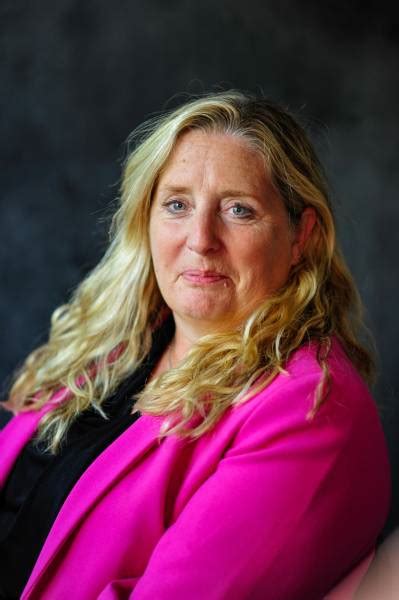
Dr Emma Elkington
Dr Emma Elkington is the Head of School at the University of Westminster and a qualified chartered accountant. She has been involved in accounting education for nearly three decades, having worked in education across Big 4 accounting practice, professional education and several HE institutions.
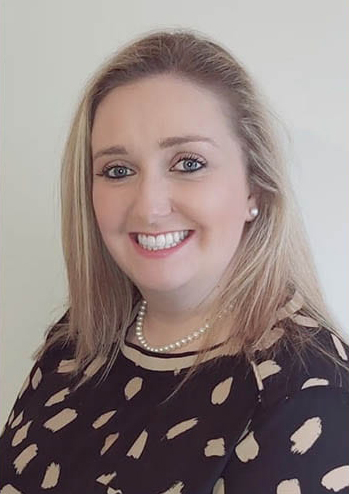
Catriona Hyde
Catriona Hyde is an Associate Professor at the University of Leicester and a qualified chartered accountant whose career spans professional practice, including time in the Big 4, and over a decade in higher education. She brings this unique blend of industry experience and academic insight into the classroom, using real-world stories and authentic dilemmas to help students build confidence, develop identity, and feel a genuine sense of belonging in the discipline.
Emma and Catriona are passionate about making accounting education more active and authentic and ensuring all students feel a sense of belonging in (and beyond) the classroom. They bring accounting theories to life through the use of storytelling and insight into ‘real-world’ dilemmas students face.
Part of the Pedagogy series
Join the Accounting Cafe community
© Accounting Cafe
How to cite this article: Elkington, E & Hyde, C. (2026) ‘Belonging through storytelling: why narrative matters in accounting education’, Accounting Cafe, 12 March. Available at: https://accountingcafe.org/2026/12/03/belonging-through-storytelling/ (Accessed: [insert date])